
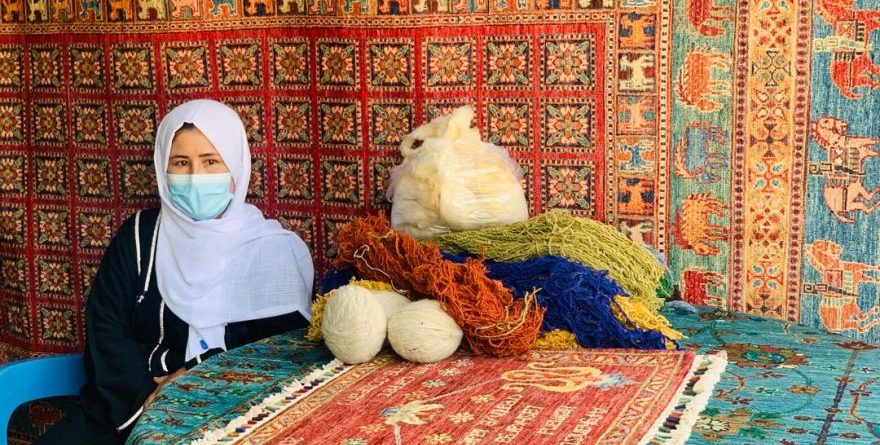
Carpet Weaving Project (USAID)
From 2012 to 2013, the Services of Women Relieve Center – Afghanistan (SWRCA), with support from the United States Agency for International Development (USAID), implemented a Carpet Weaving Project in Farah Center. The project was designed to empower vulnerable women, particularly female-headed households, by providing them with sustainable livelihood opportunities through skill development in traditional carpet weaving.
Carpet weaving has long been an integral part of Afghanistan’s cultural and economic heritage. However, decades of conflict and instability limited women’s access to markets, resources, and income-generating activities. This project sought to bridge that gap by equipping women with the tools, training, and confidence needed to participate meaningfully in both household and community economic life.
Objectives
-
To provide specialized training in carpet weaving, hygiene, and quality improvement for 80 female-headed households.
-
To create sustainable livelihood opportunities for vulnerable women by linking skills to income generation.
-
To enhance women’s role in household decision-making and socio-economic reintegration.
-
To preserve and promote Afghanistan’s traditional carpet weaving heritage while adapting it for modern markets.
Activities
-
Capacity Building: Conducted structured training sessions on carpet weaving techniques, design, and hygiene standards.
-
Material Provision: Distributed essential raw materials, including wool, looms, and weaving tools, to enable participants to begin production.
-
Market Linkages: Supported women in accessing local markets and encouraged participation in community-based trade networks.
-
Community Engagement: Promoted acceptance of women’s economic participation by engaging community leaders and households.
-
Monitoring & Mentorship: Provided ongoing technical guidance and follow-up support to ensure quality control and consistency in production.
Achievements
-
Skill Development: 80 women successfully acquired technical skills in weaving, quality control, and hygiene practices.
-
Income Generation: Beneficiaries generated household income through the production and sale of woven carpets, reducing economic dependency.
-
Women’s Empowerment: The project boosted women’s confidence, enhanced their decision-making roles within households, and improved their social standing.
-
Cultural Preservation: By revitalizing carpet weaving, the project helped preserve Afghanistan’s rich cultural and artistic traditions.
-
Community Participation: Local markets benefited from increased activity, while community members recognized women’s vital contributions to socio-economic resilience.
Impact
The Carpet Weaving Project transformed the lives of 80 vulnerable families in Farah Center by equipping them with marketable skills and sustainable income opportunities. Beyond financial benefits, the initiative strengthened women’s voices in households and communities, breaking traditional barriers and fostering social inclusion.
By promoting both economic independence and cultural preservation, the project contributed to long-term resilience for women and their families. It also demonstrated the importance of investing in women-centered livelihood programs, showing that empowerment at the household level leads to stronger, more resilient communities.

LEAVE A COMMENT